
TL;DR
Enterprise streaming has moved from experimentation to mission critical infrastructure. Real time pipelines now power logistics visibility, financial risk engines, connected manufacturing, digital commerce, and AI driven automation. At the same time, geopolitical shifts, sector regulations, and national digital policies have elevated data sovereignty from a compliance checklist to a board level priority.
Secure enterprise streaming in 2026 is therefore defined by two equally important imperatives. The first is continuous, low latency data movement at scale. The second is sovereignty by design across data, operations, and technology control.
This article explores how leading cloud providers approach secure enterprise streaming with sovereignty focus, what Gartner research highlights as strengths and cautions, which deployment patterns are emerging, and how unified Bring Your Own Cloud platforms such as Condense redefine the equation for enterprises operating in regulated and globally distributed environments.
Sovereign Enterprise Streaming
Streaming workloads are no longer limited to analytics. They power AI model inference, fraud detection, fleet orchestration, predictive maintenance, and supply chain coordination. These workloads often process sensitive financial, operational, and personal data.
Gartner research consistently frames sovereignty across three dimensions.
Data sovereignty which includes data residency and jurisdictional control.
Operational sovereignty which covers transparency, staffing, auditability, and local control of operations.
Technical sovereignty which focuses on portability, reversibility, and the ability to run workloads independently if required.
Secure enterprise streaming strategies must evaluate all three dimensions for each streaming workload.
Cloud Providers Offering Enterprise Streaming with Sovereignty Capabilities
Major hyperscalers provide managed streaming services suitable for enterprise workloads, typically built around Apache Kafka compatible or proprietary event streaming platforms.
Amazon Web Services
Managed streaming is commonly delivered through Amazon Managed Streaming for Apache Kafka and complementary services. Sovereignty capabilities include region specific deployments, encryption with customer managed keys, and country specific cloud regions. AWS also promotes distributed and sovereign cloud initiatives to address national data requirements.
Strengths include global scale, mature managed services, and strong ecosystem support. Cautions include potential feature gaps between standard regions and sovereign offerings, pricing premiums, and jurisdictional considerations depending on workload sensitivity.
Microsoft Azure
Enterprise streaming is delivered through services such as Azure Event Hubs and Kafka compatible offerings. Azure emphasizes regional data residency, confidential computing, customer managed encryption keys, and sovereign cloud initiatives in multiple jurisdictions.
Strengths include enterprise alignment, integration with broader enterprise identity and security tooling, and partner operated sovereign cloud models. Cautions typically include complexity across hybrid and distributed deployments and the need to verify feature parity in sovereign instances.
Google Cloud
Streaming capabilities are commonly delivered through Pub Sub and managed Kafka ecosystems. Google Cloud positions distributed cloud and sovereign solutions to address local data control, encryption, and compliance needs.
Strengths include advanced analytics integration and distributed infrastructure innovation. Cautions often relate to ecosystem breadth in certain regulated markets and ensuring regional isolation guarantees align with sovereignty requirements.
Key Sovereignty Features Required for Streaming Workloads in 2026
Based on Gartner guidance, the following criteria are central when evaluating providers for secure, sovereign streaming.
Data Residency and Regional Isolation
Providers must demonstrate in region hosting of streaming data, replicas, and backups. Enterprises should validate whether sovereign or isolated regions provide guaranteed local control of storage and processing.
Operational Transparency and Local Control
Operational separation, local staffing models, audit visibility, and partner operated sovereign models increase operational sovereignty. Enterprises should demand clarity on who operates control planes and how access is governed.
Encryption and Customer Managed Keys
Support for Bring Your Own Key or Hold Your Own Key reduces exposure to foreign jurisdiction decryption risk. Confidential computing capabilities further strengthen protection for streaming data in use.
Portability and Exit Readiness
Contractual exit clauses and technical migration paths are critical. Streaming architectures should support portability across regions, clouds, or on premises environments to avoid lock in.
Resilience Across Jurisdictions
Disaster recovery strategies must account for geopolitical disruption. Cross cloud backups or hybrid replication patterns may be necessary for high criticality workloads.
Compliance Certifications
Region specific certifications, ISO, SOC, and local trusted cloud attestations must align with industry regulations governing streaming data.
Strengths and Cautions in Sovereign Streaming Strategies
Strengths across hyperscalers
Major providers now publish sovereign and distributed cloud approaches that retain many managed service capabilities while supporting regional isolation. Encryption, key management, and hybrid deployment options support enterprise streaming use cases.
Common cautions
Sovereign offerings may not provide full feature parity with global regions. Costs can be higher. Capacity constraints may impact AI and streaming workloads. Legal and jurisdictional risk assessment remains essential, often requiring legal counsel. Regional providers may lack the scale and ecosystem maturity of hyperscalers, increasing operational risk.
Evaluation Criteria for Technology Leaders
Selecting a provider for secure enterprise streaming with sovereignty requirements requires structured assessment.
Define sovereignty posture for each streaming workload.
Map workloads to risk tiers based on business criticality.
Score providers on data residency guarantees, operational control, encryption flexibility, portability, resilience, and compliance.
Validate feature parity and performance for streaming workloads.
Include economic impact and capacity planning in total cost evaluation.
Integrate platform engineering and policy as code to operationalize guardrails across environments.
The Strategic Gap in Sovereign Streaming Architectures
Even when sovereignty capable cloud regions are selected, enterprises frequently encounter architectural fragmentation.
Streaming ingestion may occur in one managed service.
Data transformation may run in separate compute layers.
Governance and schema management may sit in additional tools.
Observability, CI CD, and security policies often require glue code across services.
When failures occur, debugging across distributed tooling becomes complex. Operational sovereignty is weakened when visibility and control are fragmented.
This is where unified enterprise streaming platforms operating in a Bring Your Own Cloud model create structural advantage.
Condense and the BYOC Model for Sovereign Enterprise Streaming
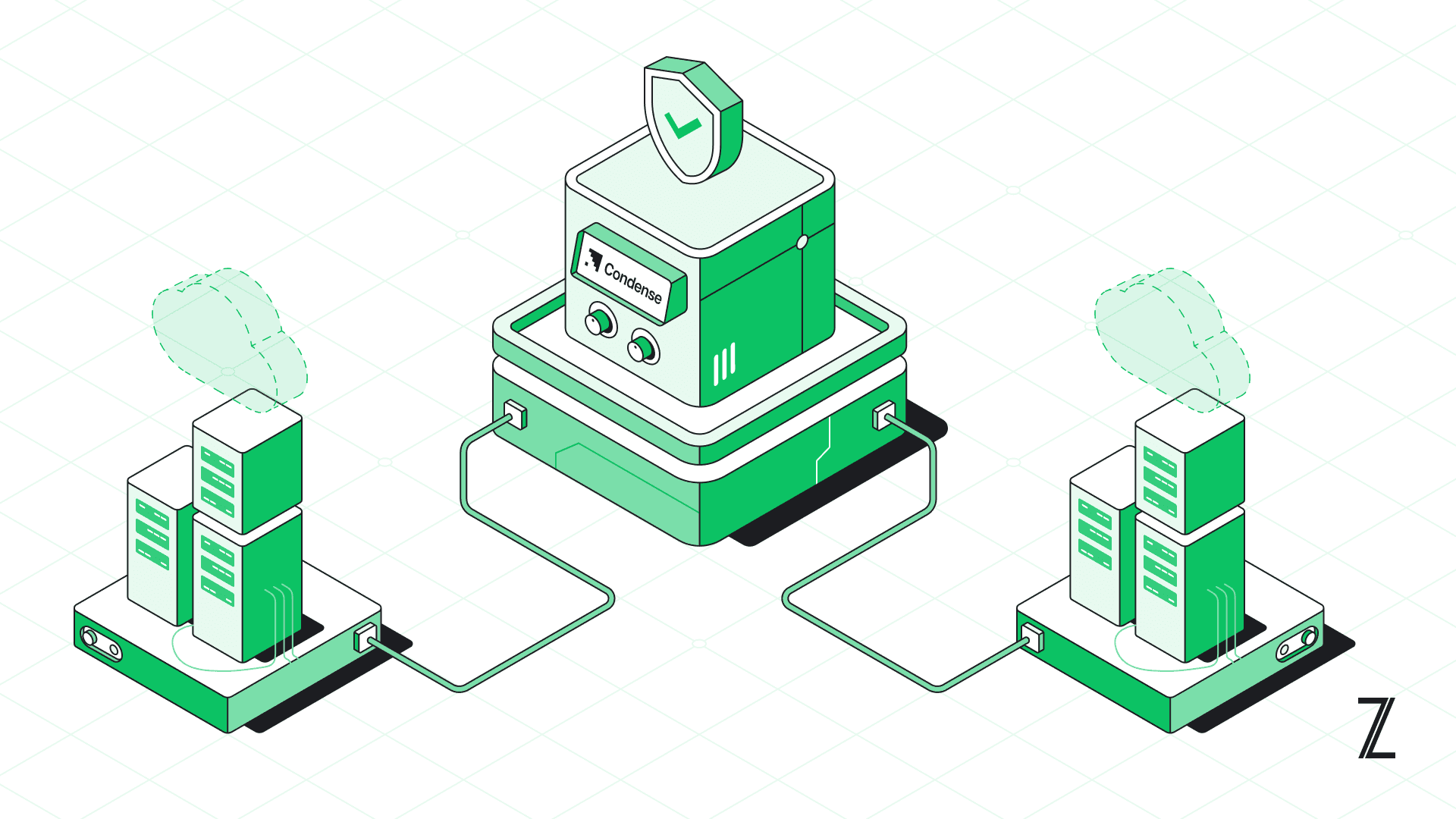
Condense operates as a unified, complete data streaming platform delivered in a Bring Your Own Cloud architecture. Infrastructure remains within the enterprise’s selected cloud accounts and jurisdictions. Control over data residency, networking, encryption, and compliance boundaries is preserved.
This architecture aligns directly with Gartner’s sovereignty dimensions.
Data sovereignty is maintained because data never leaves the chosen cloud environment.
Operational sovereignty is strengthened because enterprises retain cloud level access, logging, and policy control.
Technical sovereignty is improved through portability and reduced dependence on tightly coupled managed services.
Beyond infrastructure placement, Condense differentiates through platform unification.
Unified Lifecycle Management
Ingestion, transformation, orchestration, observability, and governance are managed within a single pane. This eliminates the need to stitch multiple services with custom integration code.
Full Code IDE with Git Integration
An inbuilt IDE supports development in multiple programming languages with Git backed workflows and integrated AI code assistance. Streaming pipelines can be developed, versioned, reviewed, and deployed within a consistent platform experience.
Vertical Ecosystem Acceleration
For sectors such as logistics and mobility, platforms within the broader ecosystem, including innovations associated with Zeliot, demonstrate how streaming data connects vehicles, assets, and enterprise systems in real time. Vertical accelerators reduce time to value and simplify regulatory alignment in industry specific deployments.
Faster Go To Market
Unified tooling and BYOC deployment remove lengthy infrastructure coordination cycles. Streaming pipelines can be launched directly within existing cloud accounts, reducing procurement friction and accelerating production readiness.
Reduced Operational Complexity
Single pane visibility simplifies debugging, monitoring, and lifecycle governance. This directly supports operational sovereignty by centralizing control rather than dispersing it across multiple vendor dashboards.
Strategic Implications for 2026 and Beyond
Secure enterprise streaming is no longer about raw throughput alone. It is about jurisdiction aware architecture, contractual safeguards, encryption autonomy, and operational transparency. Gartner research emphasizes sovereignty by design as a defining cloud strategy principle for the coming decade.
Cloud providers continue to evolve sovereign offerings, but enterprises must look beyond region labels and evaluate technical parity, legal posture, and operational control.
Bring Your Own Cloud unified streaming platforms such as Condense represent an architectural response that aligns infrastructure sovereignty with operational simplicity. By consolidating the streaming lifecycle inside the enterprise’s chosen cloud boundaries, organizations gain both regulatory alignment and engineering velocity.