
TL;DR
In the evolving landscape of 2026, the conversation around Artificial Intelligence has shifted. We are no longer just talking about static LLMs answering questions; we are talking about Agentic AI autonomous systems that perceive, reason, and act.
However, an AI agent is only as effective as the data it consumes. If the data is stale, the action is irrelevant. This has sparked a "Streaming War" where the prize isn't just data movement, but the ability to provide a real-time nervous system for intelligent agents.
The Shift from "Data at Rest" to "Data in Motion"
For years, enterprises built data strategies around "store then process." Gartner’s latest insights suggest this is no longer sufficient for decision intelligence. AI agents require continuous context. Whether it’s a fraud detection agent or a network optimization bot, these systems need millisecond-level latency to function.
Traditional microbatching is often too slow for multi-agent coordination. When agents need to collaborate, for instance - one identifying a network fault while another re-routes traffic,they require a shared, high-speed event broker. This is where platforms like Kafka and Pulsar have become the foundational infrastructure for the modern AI stack.
Where Real-Time Streaming Meets Vertical Expertise
While horizontal players like AWS, Google Cloud, and Confluent provide the raw plumbing, the market is seeing a massive demand for vertical integration. This is where Condense enters the fray.
The challenge for most enterprises isn't just getting Kafka running; it’s the "Day 2" operations, managing Kubernetes (k8s), monitoring pipelines, and writing the glue code to connect these systems. Condense simplifies this by offering a unified platform that integrates these components natively.
Specialized AI Agents for Infrastructure
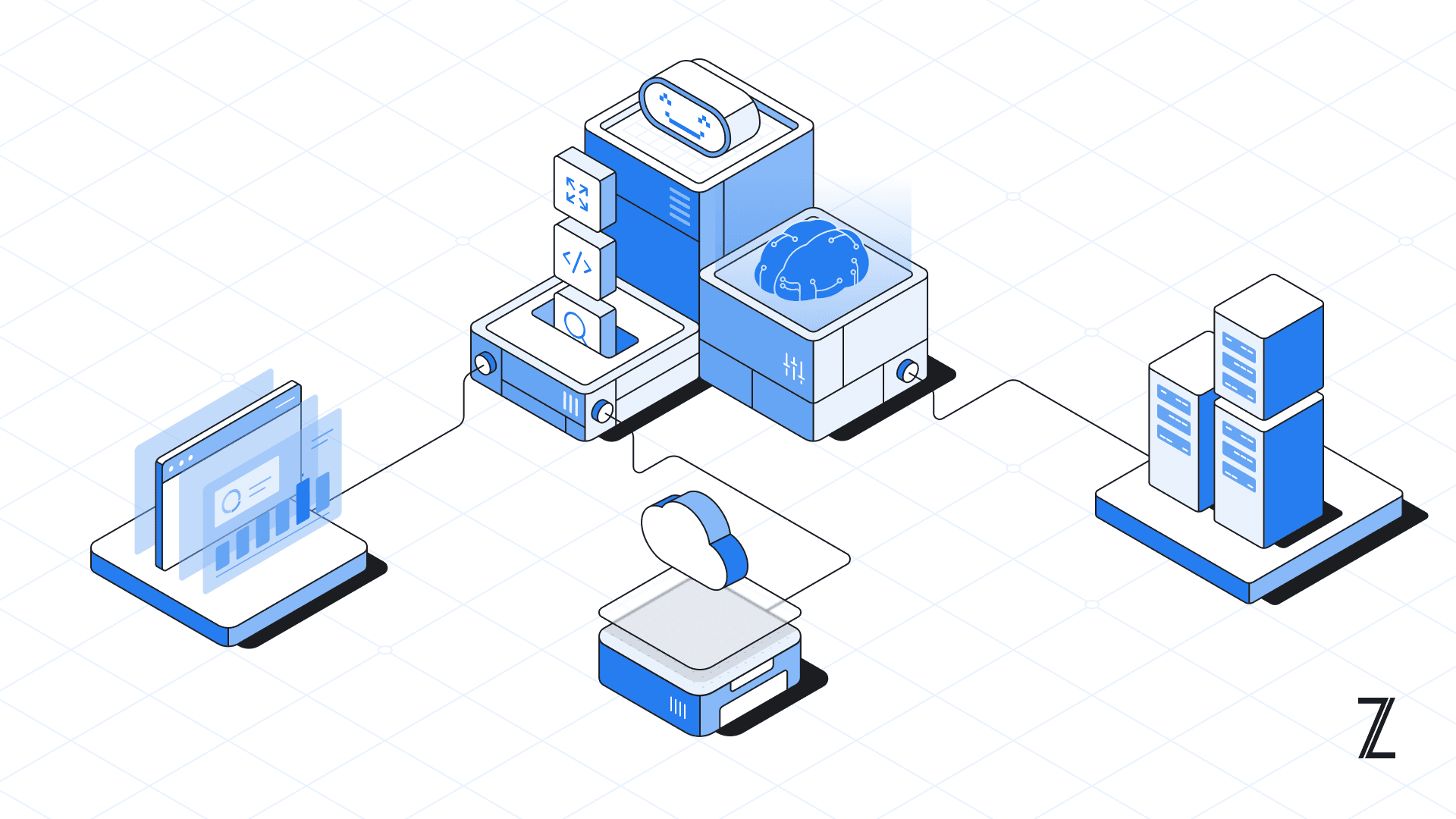
Condense doesn't just stream data; it uses AI agents to manage the streaming environment itself. By deploying specialized agents, the platform automates the heavy lifting:
K8s & Kafka Agents: Automate scaling and fault recovery without manual intervention.
Monitoring Agents: Use continuous inference to detect anomalies in data pipelines before they break downstream models.
Code Assistant Agents: A custom framework that helps developers bridge legacy systems via CDC (Change Data Capture) or build new event-driven logic faster.
The Economic Reality: BYOC and Cloud Credits
Experienced analysts know that technical superiority often loses to budget realities. High-performance streaming can be expensive due to egress costs and compute overhead.
Condense addresses this through a Bring Your Own Cloud (BYOC) model. By deploying through cloud marketplaces, enterprises can:
Utilize Existing Cloud Credits: Offset the cost of the platform using committed spend with providers like AWS or Azure.
Maintain Data Sovereignty: Data stays within the customer’s VPC, reducing security risks and egress fees.
Unified Billing: One consolidated invoice that reflects both the infrastructure and the managed service.
This "Economic Advantage" is often the deciding factor. It allows a company to move from a fragmented "DIY" Kafka setup to a fully managed, agent-powered environment without blowing the TCO (Total Cost of Ownership).
Implementation Considerations for 2026
If you are evaluating your streaming stack for an Agentic AI rollout, Gartner suggests focusing on three pillars:
Latency Requirements: Reserve true streaming for millisecond needs like fraud prevention or digital twins. For everything else, evaluate if microbatching suffices to save costs.
Governance & Lineage: As data flows continuously, you must track how an AI agent reached a specific decision. Active metadata and stream governance are no longer optional.
Skill Gaps: Streaming architectures are complex. Choosing a platform that offers native monitoring and automated orchestration (like the Condense framework) mitigates the need for a massive team of specialized SREs.
The "Streaming Wars" aren't just about who can move the most bits. They are about who can provide the most reliable, cost-effective context to the AI agents running your business. By combining a unified Kafka/K8s stack with vertical-specific AI assistants, Condense offers a path to production that sidesteps the usual operational hurdles.