
TL;DR
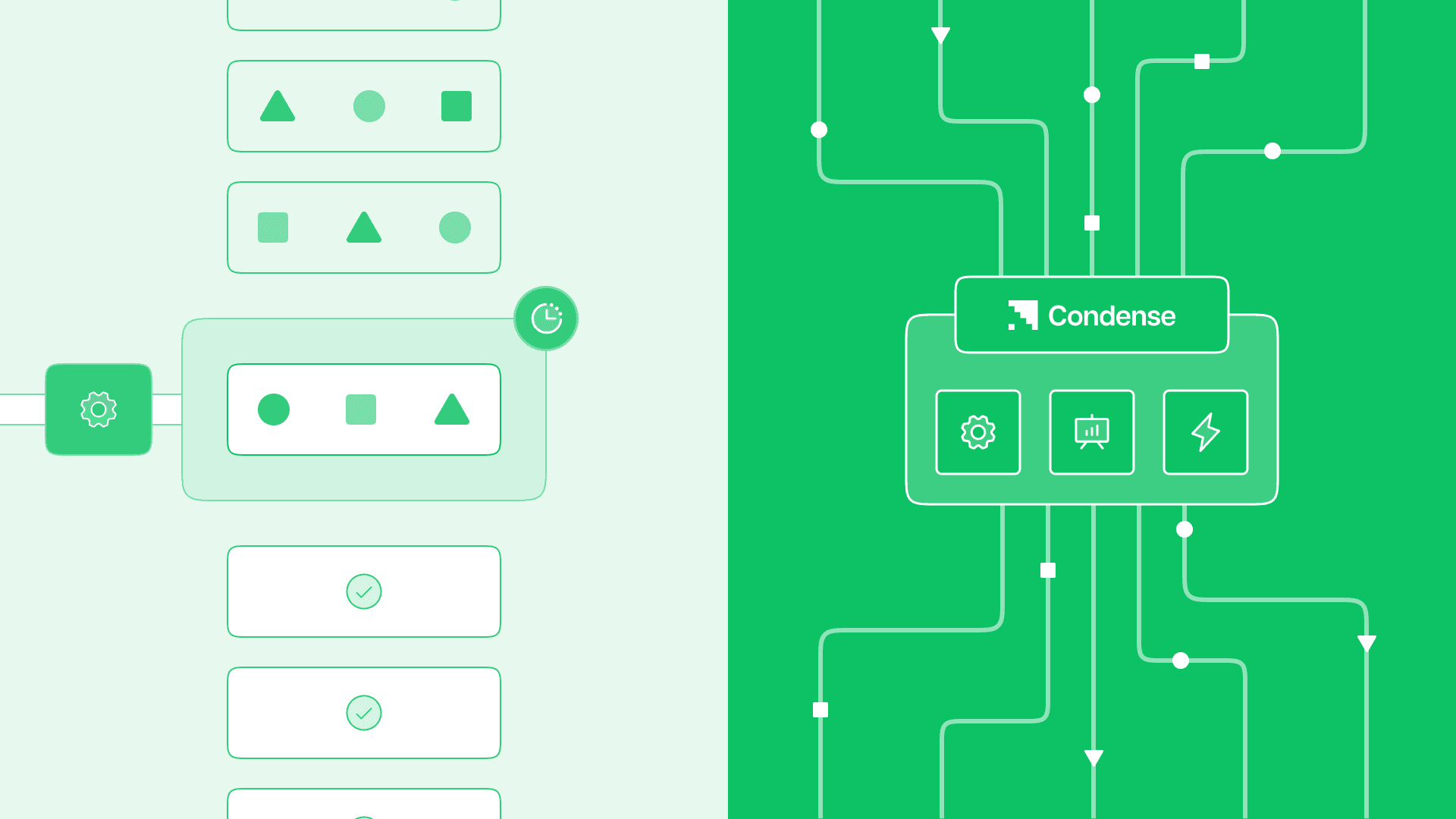
The evolution of data architecture is often driven by the need for speed. For decades, batch processing was the standard method for handling large datasets. In a batch environment, data is collected over a period of time and processed in a single, large execution. While this is efficient for reports that are only needed daily or weekly, it is insufficient for modern applications that require immediate feedback. Transitioning from Batch Data to Real-Time Streams represents a fundamental change in how an organization handles information. By moving to a streaming model using Condense, technical teams can eliminate the delay between data generation and data action, creating a more responsive and reliable infrastructure.
Understanding the Limitations of Batch Processing
Batch processing was designed for a world where storage was expensive and compute power was limited. In this model, data is "at rest" before it is ever analyzed. For example, a retail company might process all of its sales data at 2:00 AM every night to update its inventory records. While this works for historical accounting, it fails during high-traffic events where inventory levels need to be accurate to the second to prevent overselling.
The primary limitation of batch processing is latency. The "age" of the data is determined by the interval between batches. If you run a batch process every six hours, your data can be up to six hours old by the time you see it. In today’s competitive environment, six-hour-old data is often useless for operational decision-making. Furthermore, batch processes create "spiky" resource demands. They require massive amounts of CPU and memory during the execution window but leave infrastructure idle the rest of the time. This is an inefficient use of cloud resources that often leads to higher costs.
When to Make the Switch: Identifying the Signals
Knowing when to move from batch to real-time is a critical architectural decision. It is not necessary for every workload, but there are specific technical signals that indicate a switch is required.
1. The Need for Immediate Operational Response
If your business logic depends on responding to an event within seconds or minutes, batch processing is no longer viable. Examples include fraud detection in banking, dynamic pricing in e-commerce, or emergency alerts in smart city sensor networks. If the value of your data decreases significantly every minute it sits unprocessed, you need real-time streams.
2. Integration with Distributed Microservices
Modern software is often built as a collection of microservices. These services need to communicate with each other continuously. A batch process cannot facilitate this interaction. Streaming platforms like Kafka act as the "connective tissue" between these services, allowing them to share events instantly. Condense simplifies this by providing a managed Kafka environment where these services can produce and consume data without the overhead of manual cluster configuration.
3. Scaling Challenges with Batch Windows
As data volume grows, the "batch window"-the time it takes to process the data-often begins to exceed the time available between batches. If a daily batch starts taking 25 hours to complete, the system will eventually fail. Streaming solves this by processing data continuously as it arrives, spreading the computational load evenly across time and preventing the "bottleneck" effect common in large batch runs.
Why It Matters: The Technical and Business Benefits
Switching to real-time streams with Condense provides more than just speed; it changes the technical capabilities of the entire organization.
Continuous Resource Utilization
Unlike the "spike and valley" pattern of batch processing, real-time streaming allows for consistent resource utilization. Because data is processed in small, continuous increments, the demand on CPU and memory is stabilized. This makes it easier to predict cloud costs and allows for more efficient auto-scaling of infrastructure.
Improved Data Accuracy and Freshness
In a streaming model, the "state" of your system is always current. This is particularly important for financial services or inventory management. By using Condense to manage your Kafka topics, you ensure that every downstream application has access to the most recent version of the truth. There is no longer a need to wait for a "final" daily sync to know the status of your data.
Enhanced Observability and Troubleshooting
One of the greatest benefits of moving to real-time with Condense is the integration of Data Pipeline Observability. In a batch system, if a process fails, you often don't find out until the next morning when a report is missing. In a streaming environment, monitoring is continuous. The Condense Intelligent Observability layer tracks your streams in real-time, alerting you to consumer lag or broker issues the moment they occur. Integrated Grafana dashboards allow you to see exactly how data is flowing, making it much easier to identify and fix bottlenecks.
Transformation and Custom Logic in Real-Time
One of the most powerful features of the Condense platform is its dual-layered approach to data transformation. Moving from batch to real-time often requires cleaning, filtering, or enriching data as it passes through the pipeline.
The Custom Transform Framework
For complex data engineering tasks, Condense provides a full Custom Transform Framework. This includes an inbuilt IDE that allows developers to write and deploy full code directly within the platform. To accelerate development, an AI agent assistant is integrated into the IDE, helping engineers write, debug, and optimize their transformation logic in real-time. This allows for sophisticated operations like joining multiple streams or applying complex business rules without needing to maintain external processing clusters.
No-Code / Low-Code Transform Utility
For simpler tasks, the platform offers a No-Code / Low-Code Transform utility. This is designed for users who need to perform basic operations-such as renaming fields, filtering records based on specific values, or converting data types-using a visual interface. This ensures that even non-developers can participate in building real-time pipelines, reducing the burden on the core data engineering team.
The Role of Condense in the Transition
Historically, the biggest barrier to adopting real-time streams was the complexity of managing Apache Kafka. Setting up brokers, managing Zookeeper or KRaft, and configuring partitions required a dedicated team of specialists. Condense removes this barrier by offering a platform where Kafka resources are managed natively.
Scalable Ingestion and Connectivity
Condense provides a library of prebuilt source and sink connectors that link your existing systems to a real-time Kafka stream. A key differentiator is the scalability of these connectors. Whether you are using a prebuilt connector for a popular database or a custom-coded connector, the platform manages the underlying resource allocation. If data volume spikes, the connectors scale proportionally to ensure that ingestion does not become a bottleneck.
Automated Scaling and Management
As you move more data into real-time streams, your Kafka resource needs will grow. Condense manages this growth automatically. You can adjust your topic partitions and replication factors through the platform interface, ensuring that your infrastructure always matches your throughput requirements. This is particularly valuable for teams that want the power of Kafka without the operational burden of cluster maintenance.
Governance Through the Activity Auditor
As you move from a single batch job to many continuous streams, tracking "who did what" becomes more complex. The Activity Auditor in Condense provides a centralized log of all administrative actions. If a stream's configuration is modified, or if a custom transformation code is updated, the Auditor records the change, the timestamp, and the user responsible. This level of governance is essential for maintaining a stable, compliant real-time environment.
Architectural Best Practices for Real-Time Migration
When moving from batch to real-time, it is important to follow established technical patterns to ensure success.
Start with the Source: Use Change Data Capture (CDC) to stream updates from your existing databases into Kafka. This allows you to turn your legacy databases into real-time event sources without changing the underlying data structure.
Define Clear Topics: Organize your Kafka topics by event type. Avoid creating "mega-topics" that contain too many different kinds of data. This makes it easier to manage and observe the health of individual streams.
Monitor Consumer Lag: This is the most important metric in a real-time system. If your consumers are falling behind the producers, your data is no longer "real-time." Use the Condense observability dashboards to track lag and scale your applications accordingly.
Implement Idempotency: In a streaming system, it is possible for a message to be delivered more than once. Ensure your downstream applications can handle duplicate messages without creating duplicate records.
Conclusion: Embracing the Real-Time Future
The shift from batch processing to real-time streams is a necessary step for any organization that wants to remain technically relevant. While batch processing still has a place for certain long-term archival tasks, the operational core of a modern business must be event-driven.
By using Data Pipeline Observability, native Kafka management, and integrated transformation tools in Condense, the transition from batch to streaming becomes a manageable technical evolution rather than a high-risk overhaul. The ability to monitor performance through Grafana, audit changes through the Activity Auditor, and scale resources natively allows engineers to focus on building features rather than managing infrastructure.
Real-time data matters because it allows you to act when the data is most valuable-right now.